


Traditions Don’t Preserve Themselves. People Do.
A LEGACY OF SERVICE
For more than three decades, Mike Hutton has helped preserve the Wyoming Truck Driving Championships, strengthen the Wyoming Trucking Association and ensure that professional drivers receive the recognition they deserve.
By Kevin Hawley
President & CEO, Wyoming Trucking Association
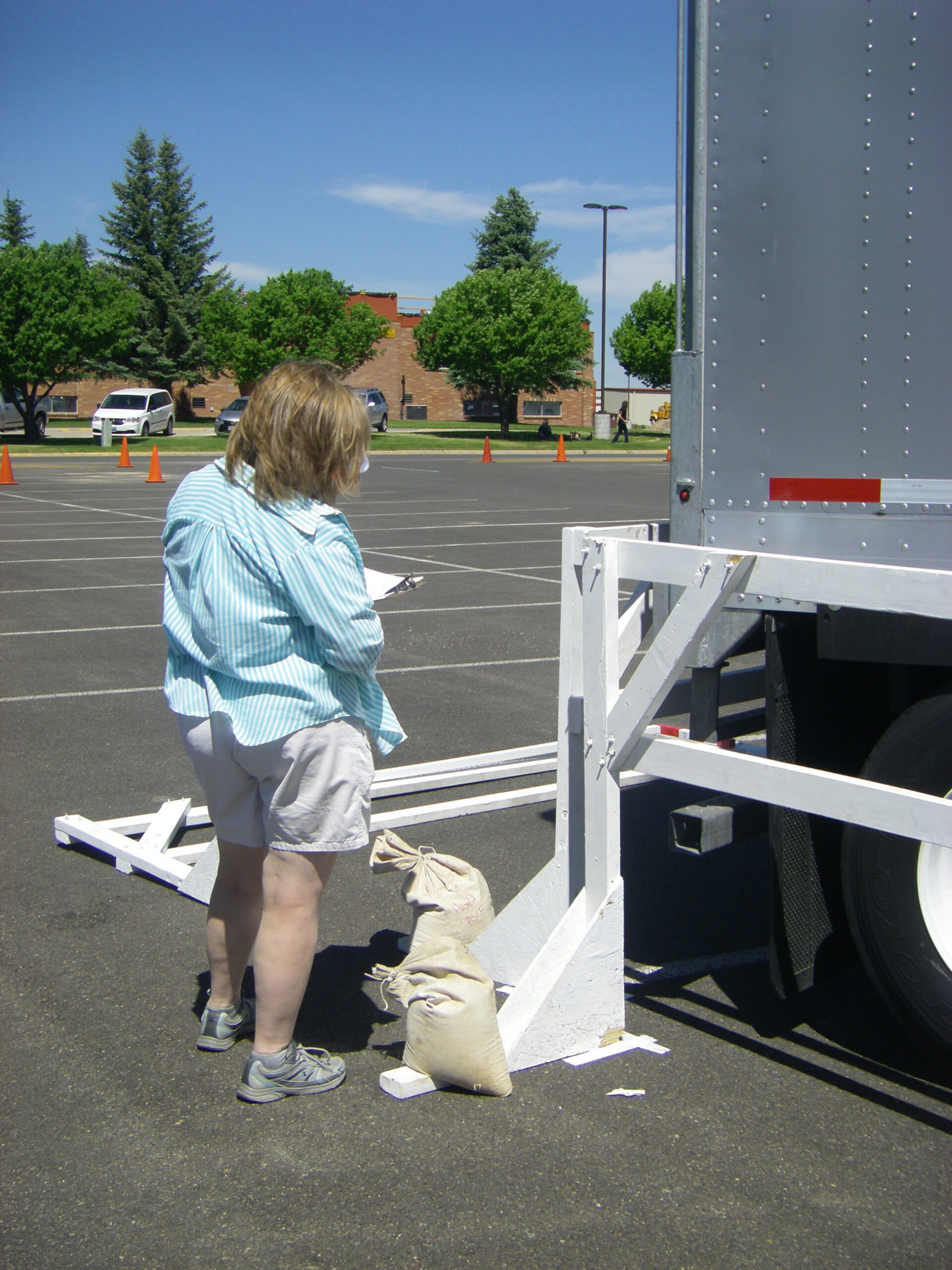
The first people to begin work will not compete for a trophy. Their names will not appear on a score sheet, and most drivers arriving the next morning will never see the work they have already done. The evening before the competition, pickup trucks pull into the Wyoming Department of Transportation yard in Cheyenne. Tailgates drop. Measuring tapes stretch across the pavement as volunteers lay out lanes that will challenge some of Wyoming’s safest professional drivers. Cones are placed, trailers are positioned and the major work continues until an empty parking lot has begun to look like the Wyoming Truck Driving Championships.
Before sunrise the next morning, the volunteers return. Coffee cups are set down as measurements are checked, equipment is inspected and final adjustments are made before competitors and families arrive. By midmorning, companies will be cheering for their drivers as they complete a written examination, conduct a detailed pretrip inspection and maneuver tractor-trailers through problems measured in inches. At the banquet that evening, class winners will step onto the stage and one driver will be named Wyoming Grand Champion. The crowd will remember the champions. Few will remember the volunteers who worked the night before and returned early that morning to make the championship possible.
For more than three decades, Mike Hutton has been one of those volunteers. He has secured equipment, chaired the event, judged at the National Truck Driving Championships and tried nearly everything imaginable to bring more people through the gate. Along the way, TDC led him into the leadership of the Wyoming Trucking Association, where he became the first chairman who was not a trucking company owner and helped advance important highway safety improvements. Yet ask Mike about the championships and he rarely begins with himself. He talks about drivers, volunteers and companies that invested in their people. Somewhere in those stories, almost as an afterthought, Mike appears. That may be the best way to understand him and how an industry preserves its traditions.
Today, it is difficult to imagine Wyoming trucking without its Truck Driving Championships, but there was a time when the tradition nearly disappeared. Participation declined until a Wyoming event was no longer practical, so a small group of drivers began traveling south to use Colorado’s course, equipment and judges. Colorado drew hundreds of competitors. Wyoming might bring 10, 12 or eventually close to 20, primarily from ABF Freight and Consolidated Freightways. They competed within the larger event while recognizing Wyoming’s own winners. It was not ideal, but it kept the door open.
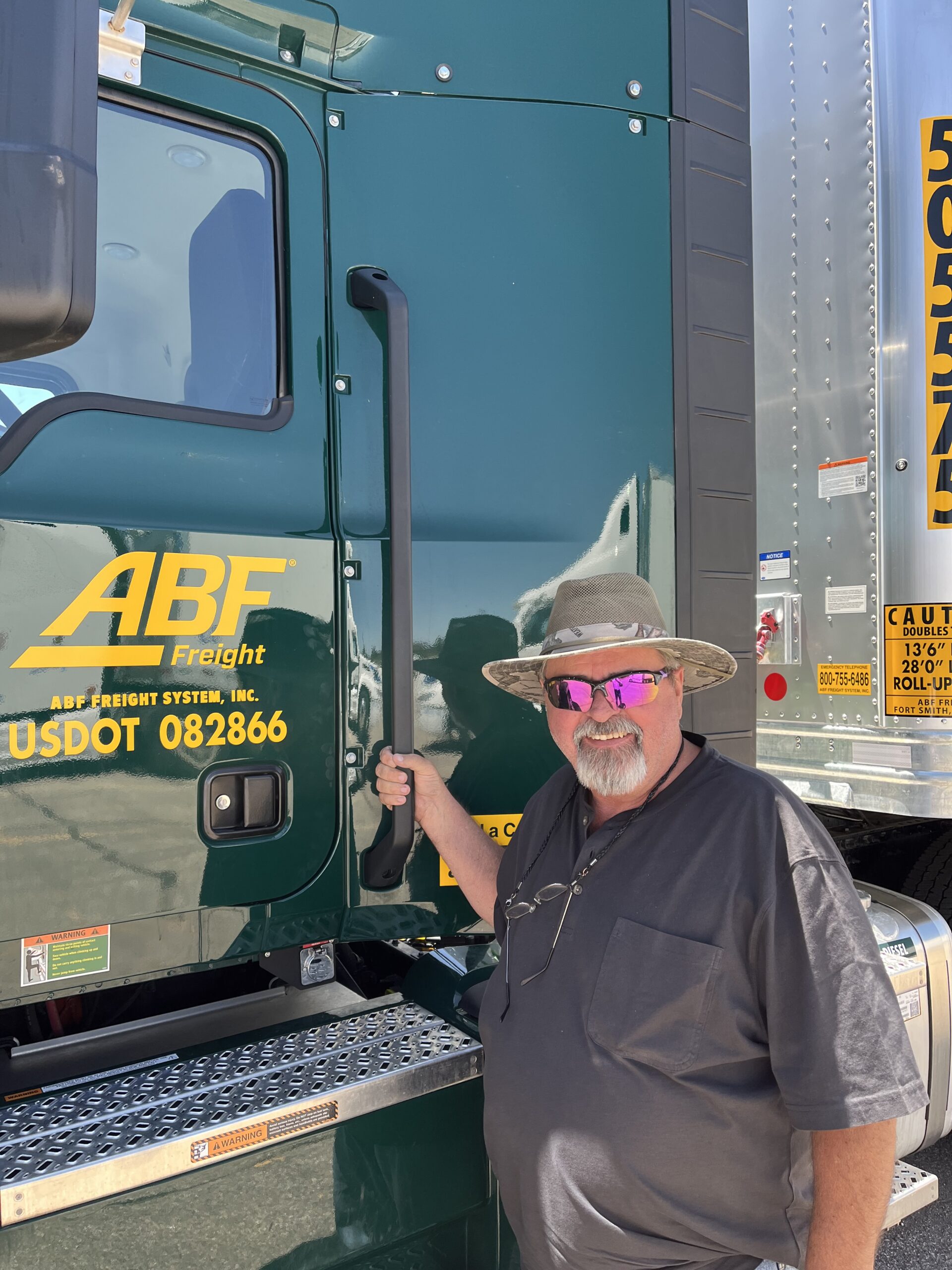
Mike credits John Coffey of ABF and Marlon Turner of Consolidated Freightways with refusing to let that door close. Their companies’ Colorado relationships made the temporary arrangement possible, but both believed Wyoming should again have a championship. After two or three years, participation justified bringing it home. With WTA’s support, the championships returned to Cheyenne in 1994 with approximately 40 competitors from several companies.
Bringing the event home was the first victory. Building it was the next challenge. There was no equipment inventory or reliable playbook. Mike, who had joined ABF in 1986, was assigned to locate the necessary equipment. He called WTA members across the state and asked what each company could provide. A Casper carrier supplied flatbeds for perhaps the first 10 or 15 years, hauling them to Cheyenne double-stacked. At the WYDOT facility, Mike recruited drivers to unload them before the competition and stack them again afterward. Other members supplied tractors, trailers and people. No single carrier rebuilt the Wyoming Truck Driving Championships. The industry rebuilt them together.
Initially, Mike’s involvement was simply part of his job. Then he watched drivers step onto the awards stage as coworkers applauded and families stood proudly. Professional drivers make consequential decisions in wind, snow, traffic and darkness, often without anyone noticing that danger was avoided through patience and sound judgment. At TDC, that quiet competence becomes visible.
“You could see the pride in their eyes,” Mike remembers. “That’s what it was all about.”
That pride changed his relationship with the event. A responsibility became a commitment, and then a passion. The trophy was not the destination. It was a visible reminder that professionalism mattered and excellence deserved to be celebrated.
The championships also helped cultivate the very qualities they recognized. Throughout his career, Mike hired and managed hundreds of good drivers. In his experience, competitors often became something more. Preparing for TDC required them to study, practice, accept scrutiny and measure themselves against the best. Maintaining eligibility gave them another reason to guard a clean safety record. The desire to return the following year sharpened habits on the job and strengthened their commitment to avoiding crashes.
“Good drivers are good drivers,” Mike said. “But these guys go way above and beyond to make sure they don’t have an accident so that they can compete again the next year.”
At ABF’s Cheyenne terminal, he watched that motivation become company culture. During the first few years, he practically begged drivers to participate. Then those who attended returned with stories and recruited coworkers. Eventually, drivers came to Mike asking to be signed up, and interest grew so strong that he generally limited ABF’s delegation to seven or eight. Once drivers experienced TDC, they understood its value and claimed the event as their own.
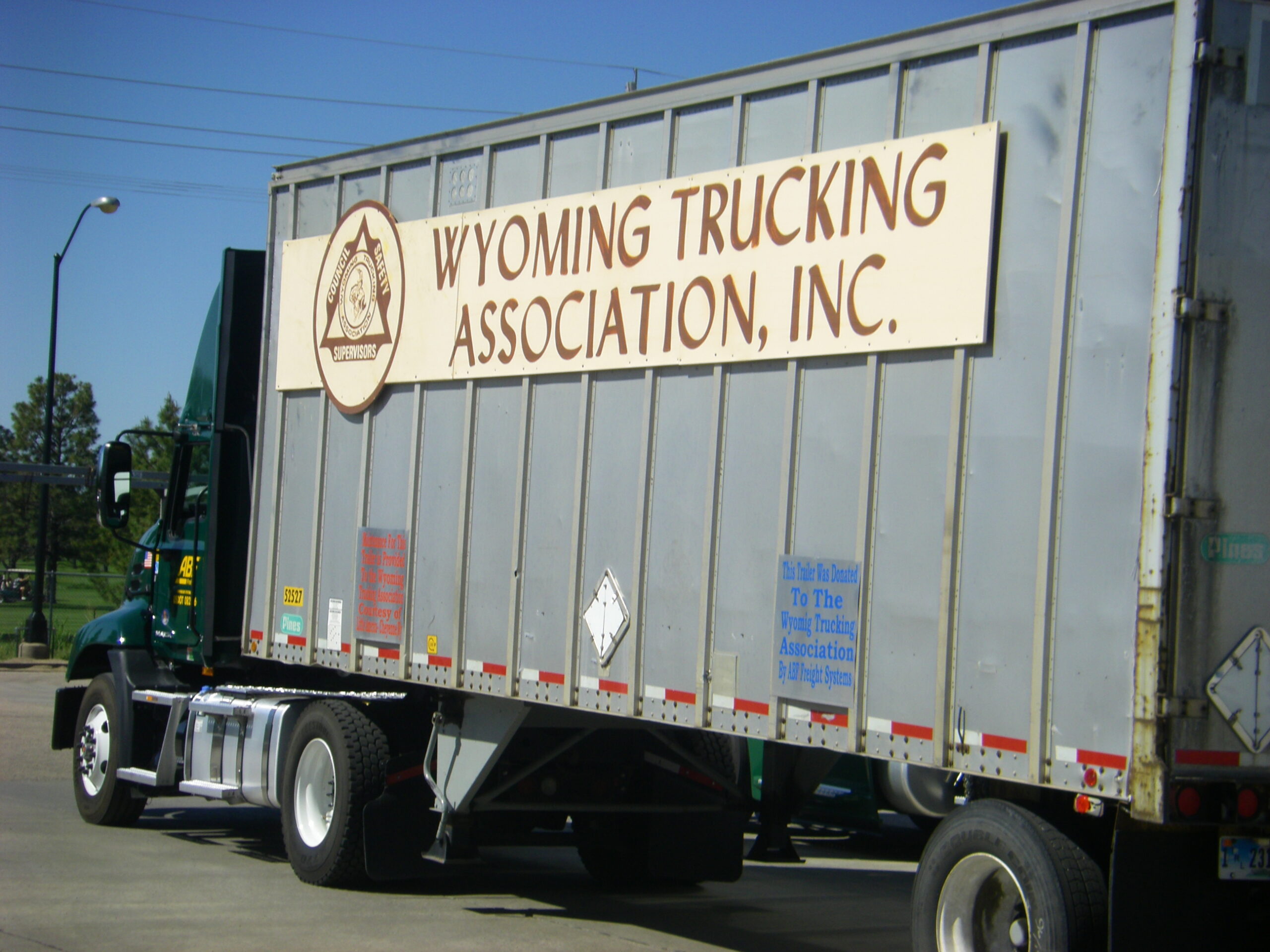
The effect was measurable well beyond competition weekend. Twice during Mike’s tenure, ABF’s Cheyenne operation achieved the best safety record in the company nationwide. Approximately 90 percent of its runs traveled between Cheyenne and Salt Lake City, across a corridor where elevation, wind, winter storms and rapidly changing conditions test even seasoned professionals. Mike remains proud of the Grand Champions who came from his terminal, but he is equally proud of the collective safety record those drivers created. In his mind, the trophies and the performance were not separate accomplishments. They were evidence of the same culture.
TDC participation also told Mike something a résumé could not. When Consolidated Freightways closed, he faced a stack of applications nearly a foot high, many from veteran drivers with clean records. One applicant stood out because Mike recognized him from TDC, making him one of the first invited to interview. His participation had already demonstrated qualities that could not be captured on paper: preparation, humility and pride in the profession.
For Mike, the value of TDC extends beyond identifying strong job candidates. It also helps drivers grow into leaders within the industry. Nate McCarty, whom Mike hired more than 20 years ago, is one example. Over the years, Nate progressed from professional driver and TDC competitor to an industry ambassador, serving on America’s Road Team and continuing to mentor others today. His journey illustrates what a strong TDC tradition can help foster. One of Mike’s favorite memories captures the spirit of the event from a different angle. In the early years after the championship returned to Wyoming, an ABF driver named Dwayne Bayne competed while also racing cars. Bayne told Mike he would participate during the day but would miss the banquet because he needed to be at the racetrack. Mike accepted the explanation until longtime WTA leader Sheila Foertsch found him at the banquet and asked where Dwayne was. She wanted to know whether Mike could get him there.
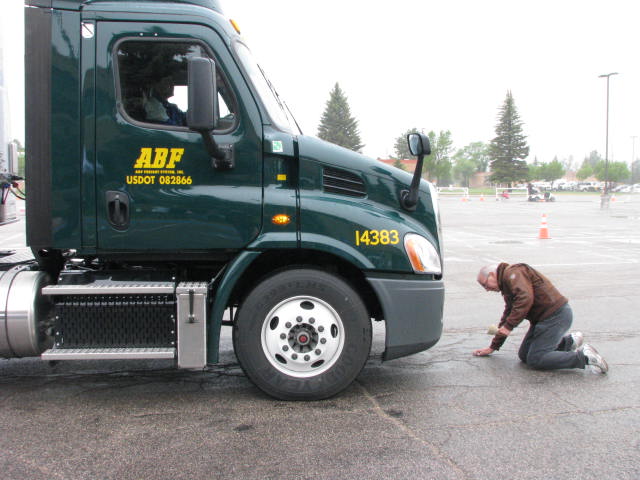
Mike did not know the final results, but he understood the implication. He drove to the racetrack, paid what he remembers as an ungodly amount to gain access to the pit area and found Dwayne preparing to race. He convinced him to leave long enough to attend the banquet. Still dressed in his racing clothes, Dwayne arrived in time to hear his name announced as Wyoming Grand Champion. He would win the honor again, but Mike still laughs about the night a professional driver went from the racetrack to the awards stage because a volunteer refused to let him miss the recognition he had earned.
Mike tells it as a story about Dwayne, as he tells most memories about a driver, coworker or fellow volunteer. He has never viewed the championships as his. They belong to the industry, and his job is to leave them stronger than he found them.
During the years he chaired TDC, Mike tried nearly everything to attract the public. He invited Cheyenne’s East High School marching band, hoping parents would stay to watch the drivers. Most left when the music ended. Another year, he recruited friends to dress as the crash test dummies made famous by television safety campaigns. Mike distributed flyers at the mall and invited television and radio stations. Not every idea worked, but that never stopped him from trying to give professional drivers a championship worthy of their abilities.
His involvement in TDC eventually opened another chapter of service. Working alongside WTA staff and volunteers led him to attend association board meetings as a proxy and later become a director. He had no plan to work through the officer chairs, and the possibility of leading the organization seemed remote. At the time, the association’s chairmen had traditionally been trucking company owners. Mike managed an operation, but he did not own one.
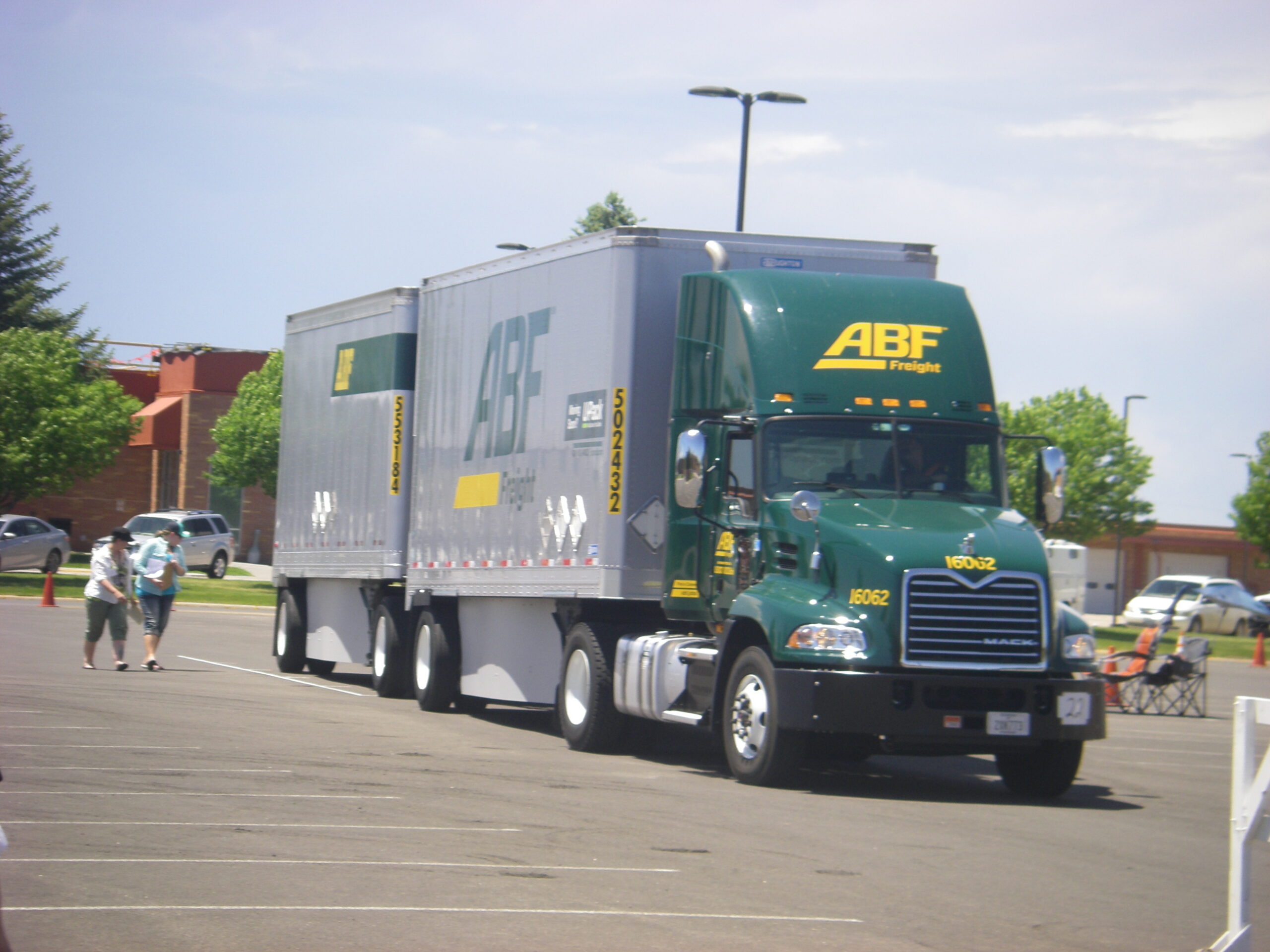
Then, during a WTA convention, Sheila Foertsch approached him at the vendor gathering and asked whether he would meet with the nominating committee. Mike walked into the room wearing a baseball cap and carrying a beer, suddenly facing respected industry figures including Jimmy Dixon, Roy Cohee and Delbert Eitel. He remembers feeling like a kid among leaders whose reputations had been built over decades. When Cohee asked whether he would have time to accept the responsibility, Mike gave an answer that explains much of the life that followed: “You always have time to do something you want to do.”
Mike entered the officer rotation as secretary and worked his way upward. Changes among the leaders ahead of him required him to assume chairman responsibilities for much of roughly three years. In time, he became, by his recollection, WTA’s first chairman who was not a company owner. He accepted the role because people he respected believed he could help.
One accomplishment from that period remains especially important to him. Today, motorists crossing southern Wyoming are accustomed to electronic signs that lower the posted speed as weather and highway conditions deteriorate. Before variable speed limits could be used, Wyoming law had to change. WYDOT saw the potential safety benefit but needed support to move the proposal through the Legislature. WTA helped build that support, and Mike joined association representatives, including retired Highway Patrol Major, Brent Taylor, in meeting directly with lawmakers and making the case. The necessary changes were approved in roughly a year.
The result is now part of everyday travel on some of Wyoming’s most challenging highways. Most motorists will never know who helped make it possible. Mike does not need them to know. As with TDC, he measures the effort by whether something was improved.
For 10 or 12 years, Mike also judged at the National Truck Driving Championships. As his experience grew, he was often assigned to the final course problem, typically a demanding parallel park directly in front of the stands. Every point mattered, and the assignment required precision and consistency. Mike admired competitors who were not simply chasing trophies but pursuing mastery of their craft.
Retirement from ABF did not end Mike’s volunteerism. He jokes that he no longer has a dog in the fight, then acknowledges he still roots for the green and gold. TDC stopped being merely part of his employment long ago. It became part of his vision for what trucking should be: demanding, safety-minded, generous and proud of its people.
When asked why he continued giving his time, Mike’s answer was uncomplicated. “We all do it for the drivers.” He still sees the same thing that first captured him decades ago: a professional coming down from the podium with a trophy, pride visible in his face and well-earned appreciation filling the room. The scene makes the hours of preparation worthwhile.
Near the end of our conversation, Mike was asked what he hoped the Wyoming Truck Driving Championships would look like 30 years from now. He did not describe a bigger venue, larger attendance or more elaborate awards. “I hope there still is one,” he said.
That hope carries a warning and an invitation. No event continues merely because it happened the year before. Companies change, leaders retire and new staff inherit histories they did not witness. Every generation must decide whether old commitments deserve new energy. Thirty years from now, another volunteer will arrive the evening before to help build the course, then return early the next morning to check the final details, answer questions from a nervous competitor and solve problems no one else notices. Most people at the championship may never know that volunteer’s name.
Perhaps that is the point. The strongest traditions are rarely sustained by people in the spotlight. They endure because others quietly decide they are worth carrying. For more than three decades, Mike Hutton has made that choice. His legacy is found in the drivers who left TDC believing more deeply in professionalism, the companies that invested in their people and the volunteers who learned that service does not require recognition.
Long after the banquet tables are folded and trophies placed on office shelves, those lessons travel Wyoming’s highways in the hands of professionals who take pride in doing their jobs well. Championships are won in a day, but traditions are carried for generations. Mike Hutton understood that. Now it is our turn.


